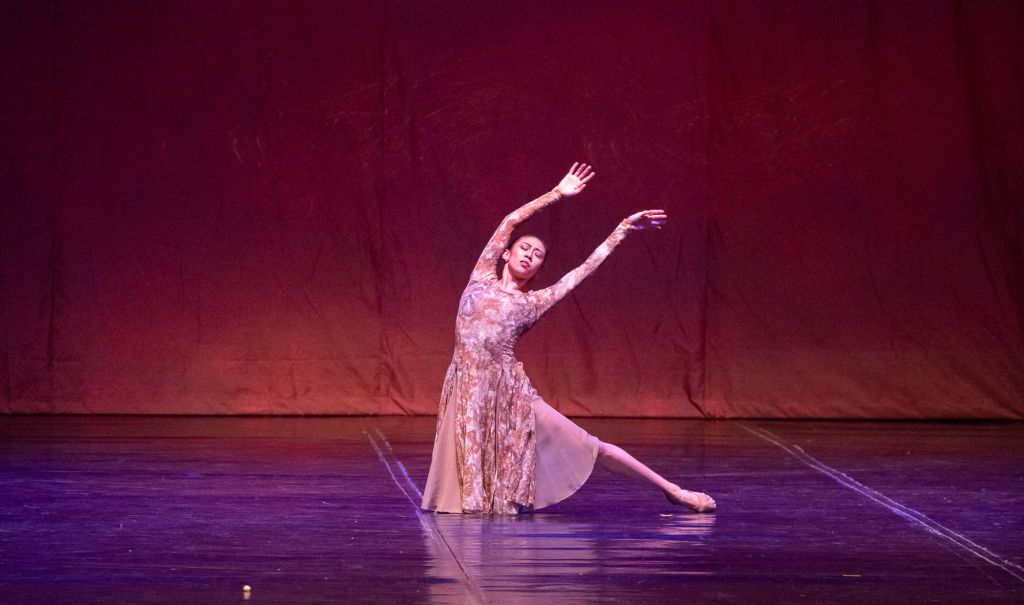
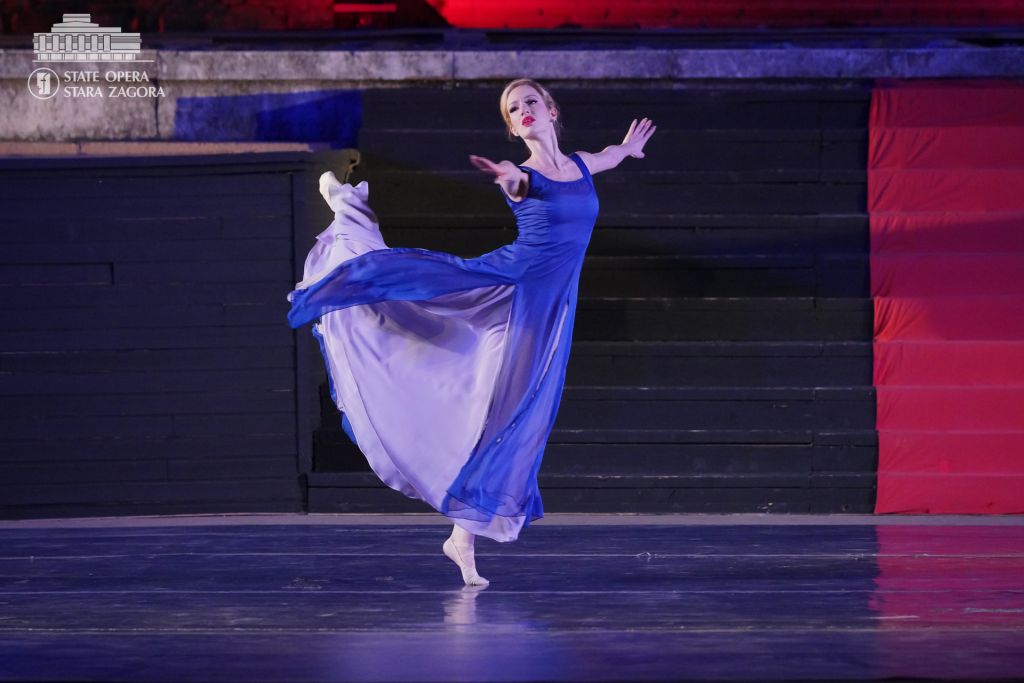
The ballet of the Stara Zagora Opera visits Plovdiv with the hit performance "Ghetto" by Mario Piazza
News публикувана на: 03.02.2026
 Go back
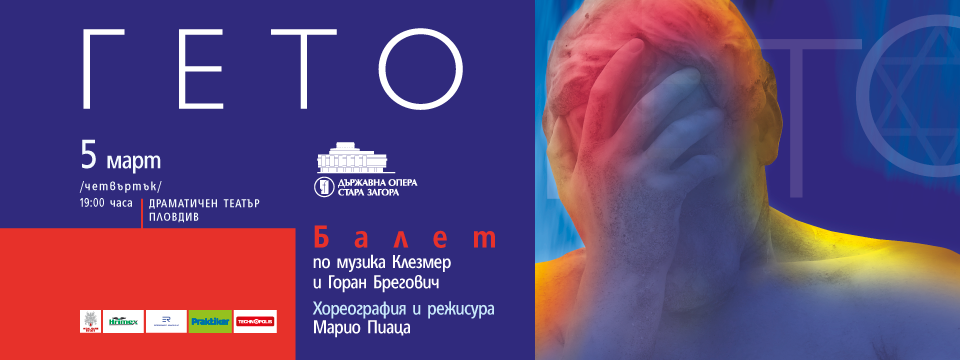
Since its premiere in 2019, the show has not left the repertoire, has toured across the country and invariably receives standing ovations from the audience.
On March 5, at 19. The ballet of the State Opera - Stara Zagora will present the dance performance "Ghetto" by the world-famous choreographer Mario Piazza - one of the most successful and long-standing titles in the repertoire of the company.
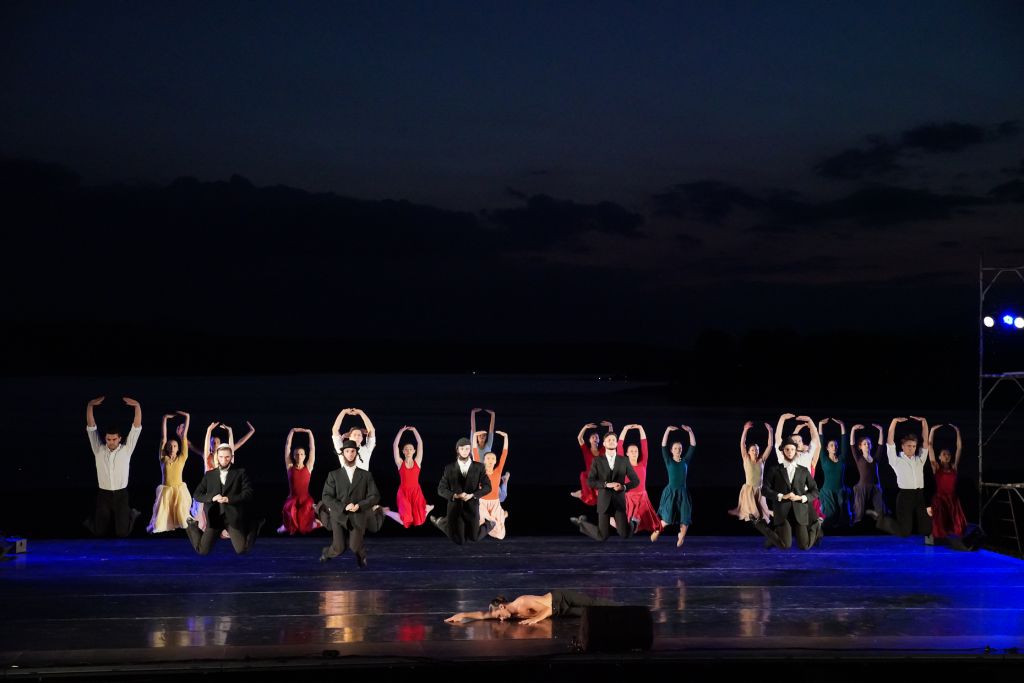
Since its premiere in 2019, the performance has not left the ballet poster of the Stara Zagora Opera, has triumphantly toured in different cities of Bulgaria and continues to meet the enthusiastic response of the audience. "Ghetto" is one of those special titles for which the ballet dancers themselves feel extreme affection and addiction - a performance that they dance with complete dedication and inspiration.
"Ghetto is a performance in which emotion goes hand in hand with reason, and personal destiny becomes collective memory. "Ghetto" speaks of man's quest to break out of imposed isolation and assert his right to freedom, dignity and belonging. In this context, the ghetto is no longer a place of coercion, but a space for dialogue and respect for cultural and social differences.
In the performance in Plovdiv on 5 March, the main roles will be played by Haruka Ishigo /Sara/, Fiordi Loha /David/, Carmen Demirtash /Soul/, Kalin Lyubenov /The Chief Rabbi/, and the entire multinational ballet company of the Stara Zagora Opera under the artistic direction of prima ballerina Silvia Tomova.
Mario Piazza's choreographic interpretation transforms the ghetto into a generalized symbol of all forms of discrimination derived from the tragic historical memory of the Jewish people. Presented poetically and dreamily - in the spirit of Marc Chagall's canvases - the stage action unfolds a rich emotional spectrum: from love, wedding rituals and festivity, through deportation and the tragedy of the Holocaust, to faith in spiritual rebirth.
Musical dramaturgy is at the heart of Ghetto. The main motif in the klezmer music is the song "Hope" (HaTikva). It is the leitmotif of the entire performance, a symbol of faith, resilience and spiritual survival, and is performed live by the opera prima of the Stara Zagora Opera Desi Stefanova. Alexander Shamraev's violin solo gives the musical line intimacy and strong emotional depth, turning each tone into a personal confession.
In Ghetto, klezmer music does not exist in isolation - other strong musical symbols are added to expand the theme of historical consciousness and collective destiny. Motifs from Goran Bregovic's music bring a raw Balkan energy and rhythm, the Romani "Jamale" recalls the tragedy of the Roma community, and the Hungarian lament of the violins sounds like a call for lost lives and broken destinies. These musical layers intertwine and build a powerful emotional arc that leads the viewer from celebration to tragedy and back to hope.
The music in Ghetto doesn't just accompany the dance - it tells, remembers and bears witness. It is the common language through which the performance speaks of pain, resistance and the possibility of spiritual rebirth.
The ballet is structured in three parts - from the idyll of the Jewish wedding, through associative images of destruction, loneliness and loss, to the restoration of broken ritual and the return to community. The symbolic image of the Soul takes the performance beyond the concrete narrative - as a sign of preserved spirituality and the continuation of life.
The Stara Zagora Opera Ballet's visit to Plovdiv offers not just a performance, but a powerful musical and human experience - a message of memory, peace and freedom that lingers long after the final applause.
Ghetto - promotional video
Tickets:
Ticket Office - Drama Theatre-Plovdiv
Plovdiv - theatre in Plovdiv. "Knyaz Alexander I № 38
📞 032 271 271