Stara Zagora Opera opens the New Year Music Festival with Rigoletto on 17 December
News публикувана на: 21.10.2025
 Go back
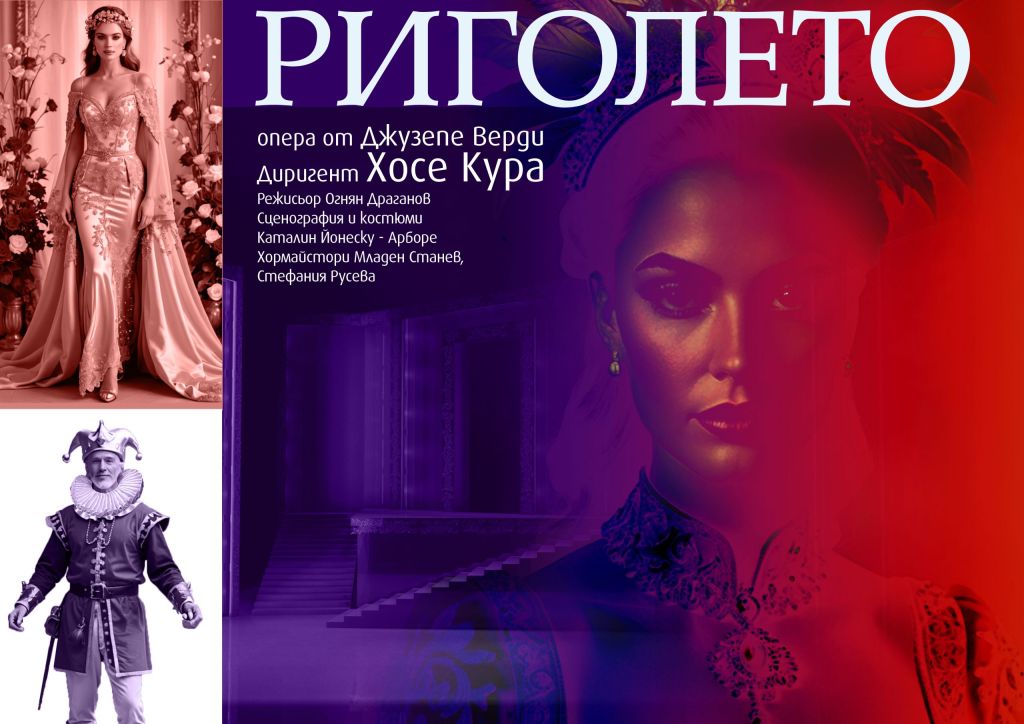
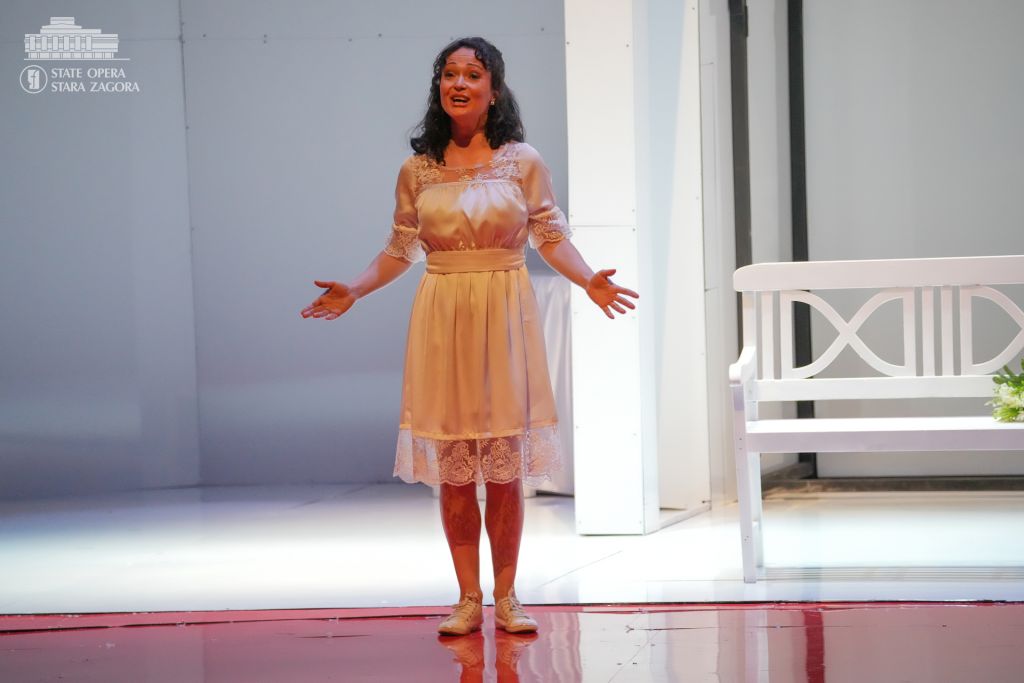
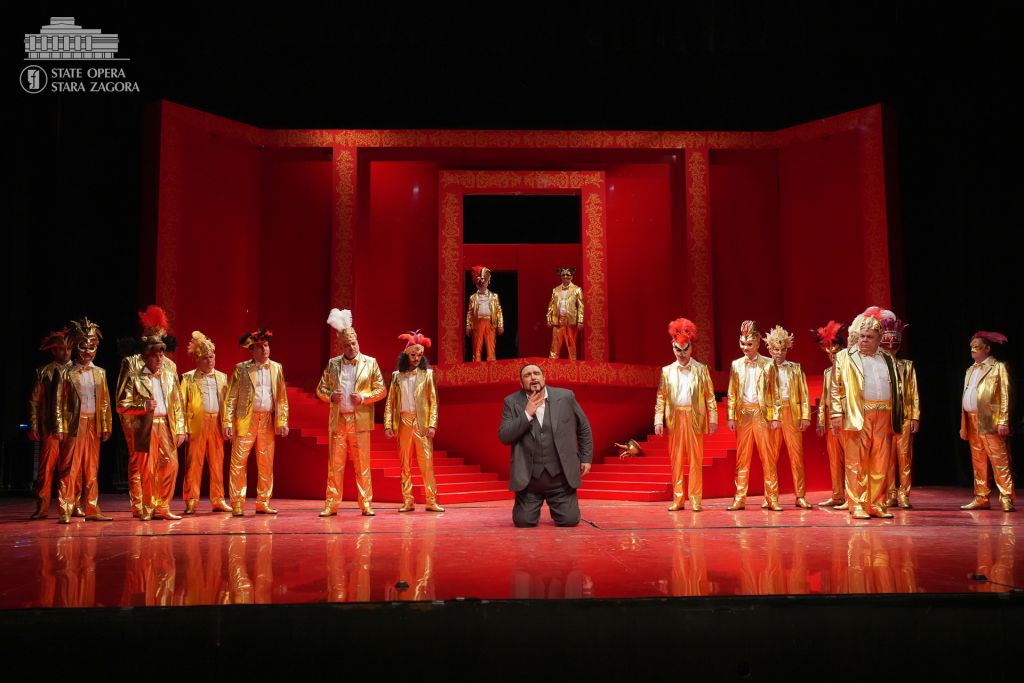
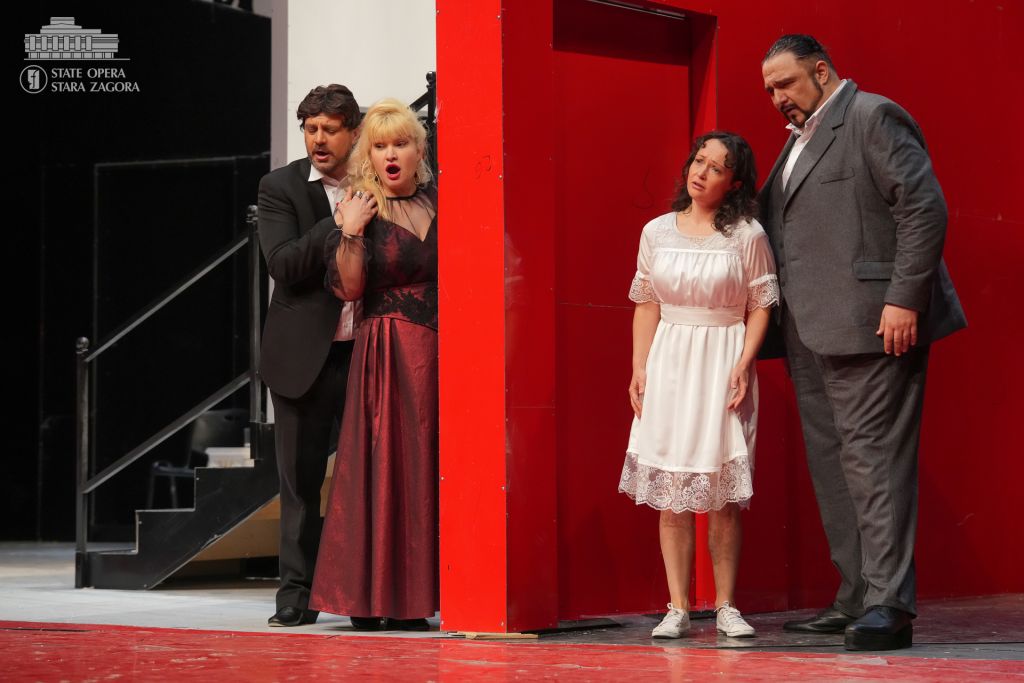
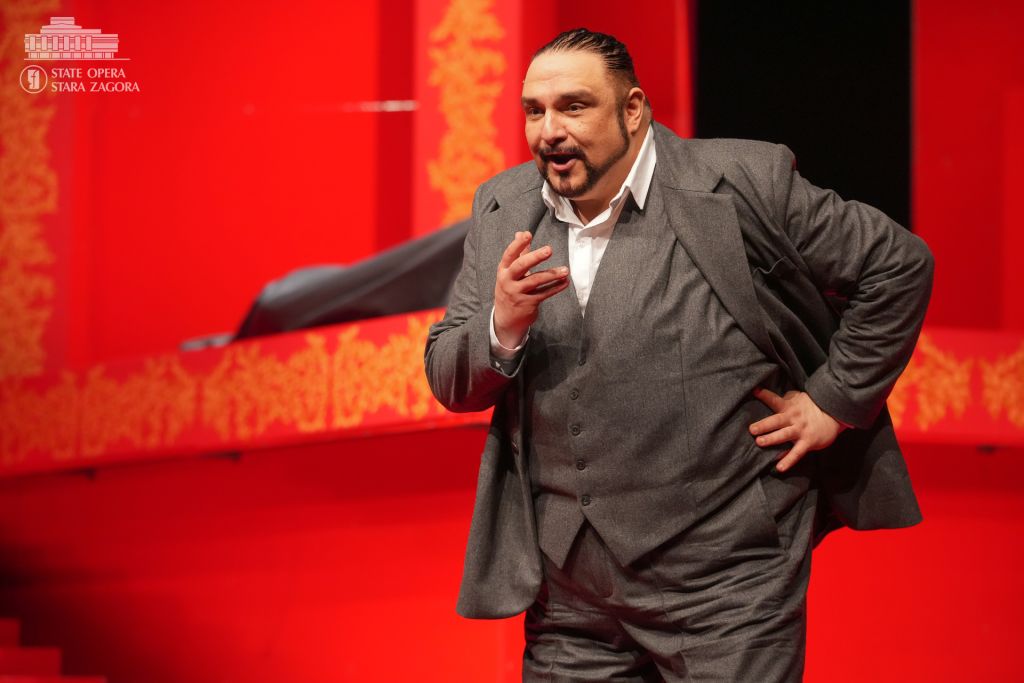
The new stage realisation of Rigoletto brought together an elite international creative team including world-renowned opera singer and conductor José Cura, opera director Ognian Draganov and Romanian artist Catalin Ionescu-Arbore, who is the author of the original costumes and the impressive set design. A constellation of operatic voices will delight opera lovers, who will choose to share in the festive December evening the experience of Rigoletto - the opera that for 174 years has invariably been present in opera posters and triumphantly marched on opera stages in the country and around the world. The main roles on 17 December on the stage of Hall 1 of the National Palace of Culture will shine. Participants: choir and orchestra of the State Opera-Stara Zagora. Choirmasters Mladen Stanev and Stefania Ruseva, concertmaster Paulina Zaharieva.
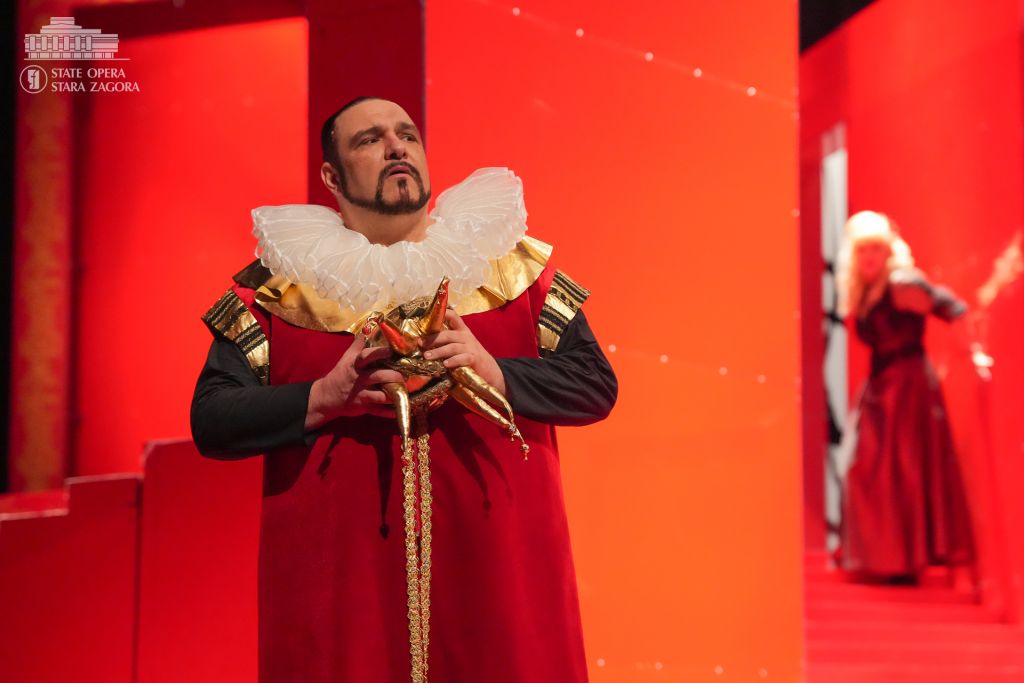
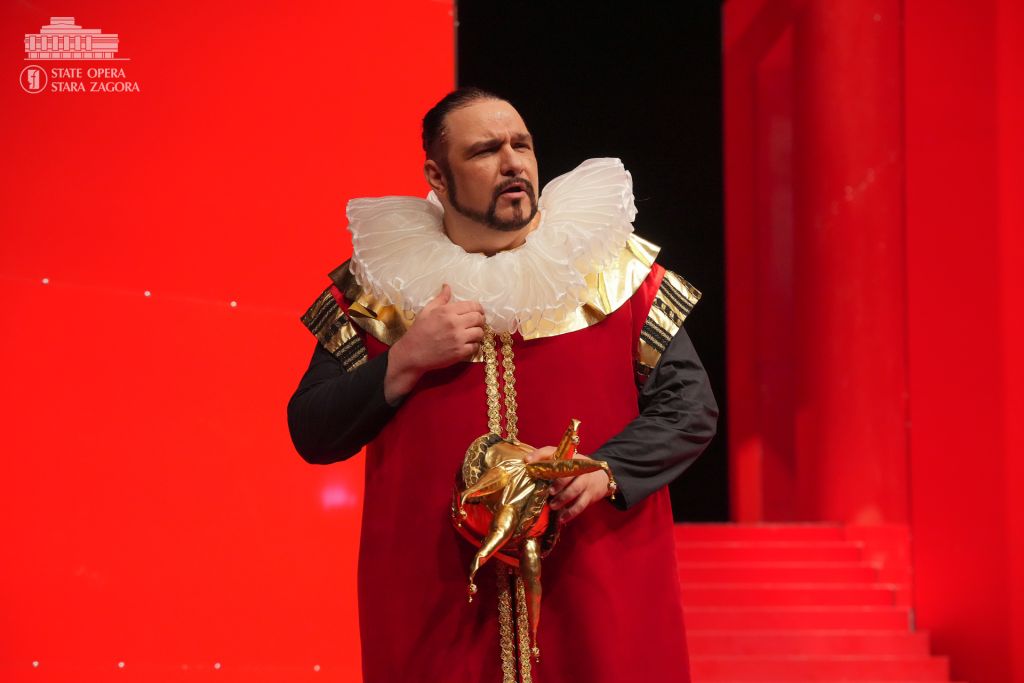
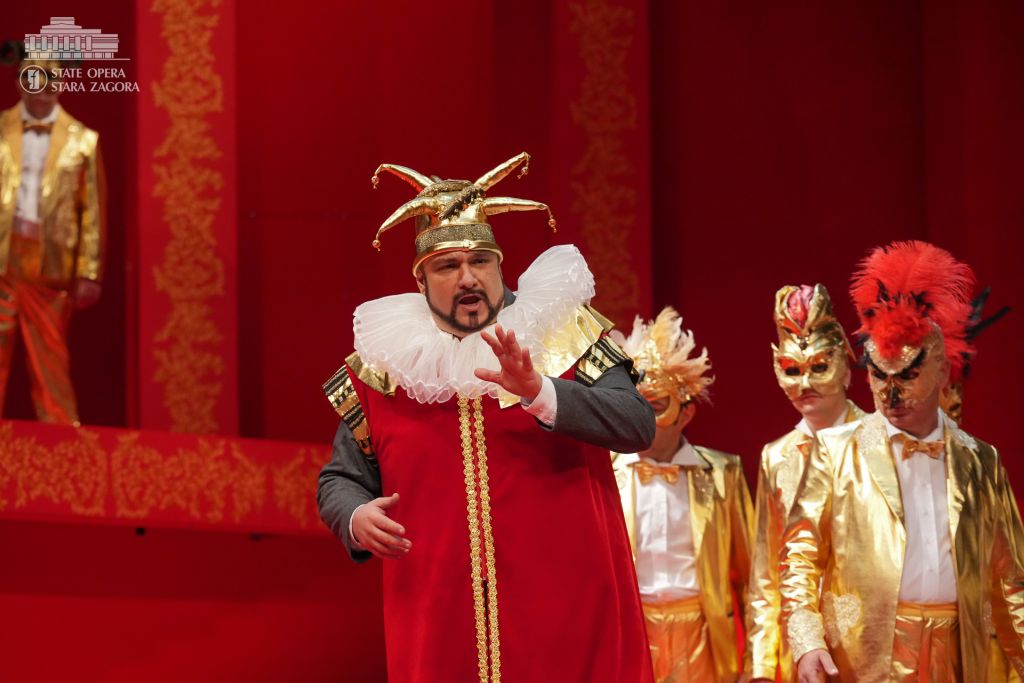
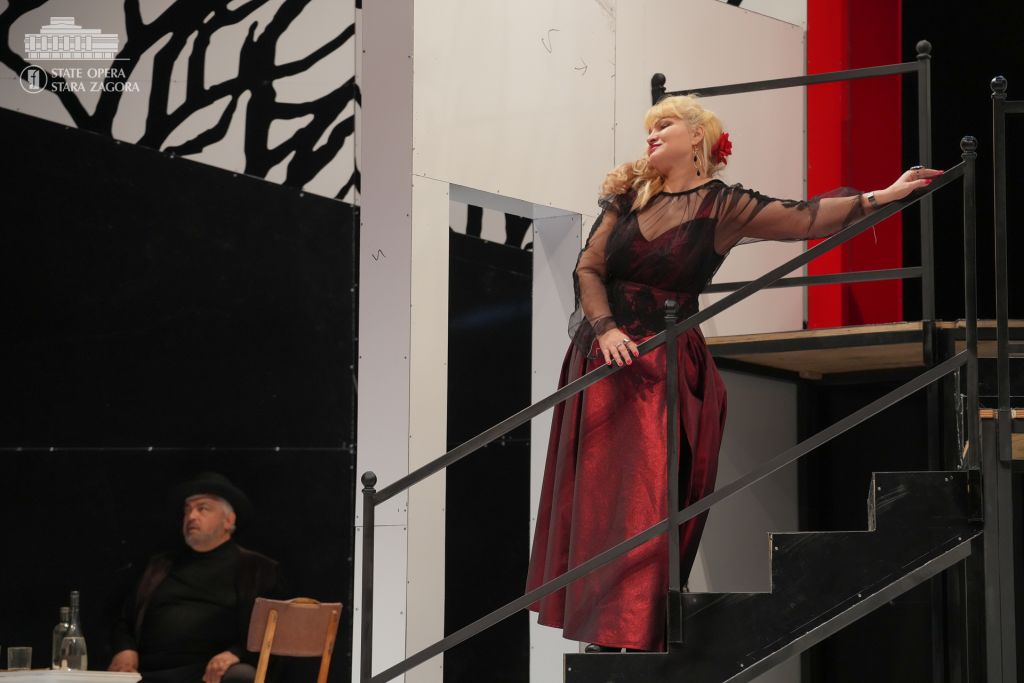
The director Ognian Draganov and the artist Cataline Ionescu-Arbore, a proven creative tandem over the years, once again aroused the audience's enthusiasm with a different take on the familiar heartbreaking drama of the court jester in Verdi's immortal work with a surprising and at the same time logical angle in their conception. The set design is clean and simple, but an expressive enough platform for the action. The solutions are modern, both in terms of set design and costumes, but the means of expression are classical. The artist, who is staging Rigoletto for the third time in his artistic biography, based on the experience gained, mainly relies on colours - white, red, black, gold - as a bright symbol that reveals the moods in the narrative, emphasises contrasts and reinforces suggestions.
"I play with colours to show the struggle between life and death, what is good, what is evil. What is what we should strive for and what is what we cannot achieve nowadays!
I think the audience will understand what we want to say with the director Ognian Draganov in Rigoletto. It will understand the story first through the music, which says a lot! I express this drama and these characters through the colours of the stage - for example, the red that is scattered all over the stage - brings a strong drama!" says artist Cataline Ionescu-Arbore
"Even though the opera is called Rigoletto, the important figure for me is Gilda, the female face of love," reveals director Ognian Draganov, adding, "There is a phrase in the opera that was a cornerstone for me and artist Cataline Ionescu-Arbore to come up with this set and costumes and put all the 'exaggerated beauty' of power into them. The curse is on the "race" that rules - Cortigiani vil razza dannata "Courtiers, vile race, cursed..."
"Rigoletto ends in tragedy - not only does Gilda die, but Love is rendered meaningless, Love is consumed and the best thing about it is cut off - the Wings."
For Ognian Draganov, the new production of Rigoletto is also his third production /he has staged in Sarajevo, Bosnia and Herzegovina and Maastricht, the Netherlands/. Faithful to his creative range and approach to the score, the director works thoroughly on every detail with the artists without omitting a single important word from the text. Of course, in accordance with the music and the dramaturgy set by the author-composer. For Ognian Draganov, Verdi leads the direction of the narrative and this is the main thing in the work of an opera director.
"Rigoletto is not a repertoire title for the world-renowned tenor José Cura, but it is a welcome challenge for the conductor. When Ognian Draganov offered the world star the chance to direct a new production of Rigoletto during the recent Voice of Kamen competition for young tenors, José Cura chose to conduct. It should be recalled that the Maestro studied conducting and composition before becoming an opera singer, and even in his most active singing career he never stopped conducting concerts with serious symphony programs. José Cura has remarkable multifaceted interests, already with great achievements as a director, stage designer and costume designer, continuing to add to his own improvement the knowledge of the audiovisual arts necessary today. We looked forward with curiosity to his musical interpretation of Verdi's brilliant work. José Cura was able to gain the trust, motivate, charm and lead the orchestra, chorus, soloists and bring his sensual and unique vibe to the musical interpretation of Rigoletto. The director and the conductor - in creative harmony and irresistible energy, which captivated the spectator and made him smile, be moved to tears, experience...
The operas Rigoletto, Il Trovatore and La Traviata, also called the "three greats", are considered the most popular and beloved operas by the public.
Giuseppe Verdi composed Rigoletto for the Teatro La Fenice in Venice in creative tandem with the librettist Francesco Maria Piave, on whose libretto the composer wrote the music of his early works Ernani, The Two Foscari, Attila, The Corsair and Stifelio. Victor Hugo's dramaturgy attracted Verdi mainly because of its vivid romantic contrasts, violent clashes of feelings, and tense and dynamic development of action. The composer considered the plot of Victor Hugo's drama The King is Amused to be the finest of any on which he had written music. Hugo's drama was greeted with scandal in 1832. 18 years later, Verdi's opera was attacked by the censors even before it was composed - the music was already half written when Verdi and Piave had to radically revise the libretto. All the historical actors were removed, above all the King, whose prototype in Hugo's drama is Francis I. Verdi changed the names of the characters, moved the action from Paris to Mantua, Italy, the King became the anonymous Duke of Mantua and the ugly buffoon Triboulet became Rigoletto. Last but not least, the composer does not want the protagonist to be the King, but chooses the court jester. The opera is given a more neutral title after the jester's new name - Rigoletto replaces the provisional title The Curse for good.
On the evening of 11 March 1851 the opera Rigoletto premiered at the Teatro La Fenice of Venice to triumphant success. The very next year Rigoletto toured the world - it was performed in Austria and Hungary, and by 1855 it was already in New York and Buenos Aires. In Bulgaria Rigoletto was on stage for the first time on 13 December 1920 in Sofia. In Stara Zagora the opera Rigoletto was first staged in June 1934.
Tickets - at the NPC box office, online and in the Inventim network.